About Me
I'm Ahmad Melad Mayaar — I go by Melad. I'm an Embedded Systems Engineer at a tech company in Anaheim, currently pursuing an M.S. in Electrical & Computer Engineering at SDSU, and a UC Berkeley graduate in Data Science (May 2024).
I'm deeply interested in the convergence of hardware and intelligence (Silicon and AI), AI accelerators, GPU compute, and the systems that make machine intelligence fast and real. If it runs close to the metal, I want to build it.

What I Work With
What I've Built

As a Data Science Intern at UC Berkeley Data Discovery, I led a team of six engineers in building a national predictive model for lead water service lines across 300K+ property records, achieving 88% ML accuracy. I owned the full UI — designing a searchable parcel map using the MapBox API — and drove the project to win UC Berkeley's Data Science Insights Award.
Python · scikit-learn · MapBox · Data Engineering
As a Software Engineering Intern, I joined a three-person team to architect and ship a production-grade bidirectional parser designed to handle millions of customer requests. The system ingested unstructured files of varying formats, normalized them into CereVox's internal schema, and converted back to any customer-specified format — all with strict consistency guarantees.
Python · Backend Systems · Data Engineering
Engineered a high-performance 2D convolution pipeline for video processing, achieving a 5x end-to-end speedup. Leveraged AVX2 SIMD intrinsics to vectorize inner-loop computations (4x throughput improvement), combined with OpenMP thread-level parallelism and Open MPI for distributed execution. Optimized memory layout, loop unrolling, and cache alignment to minimize bottlenecks at the hardware level.
C++ · SIMD/AVX2 · OpenMP · MPI · HPC
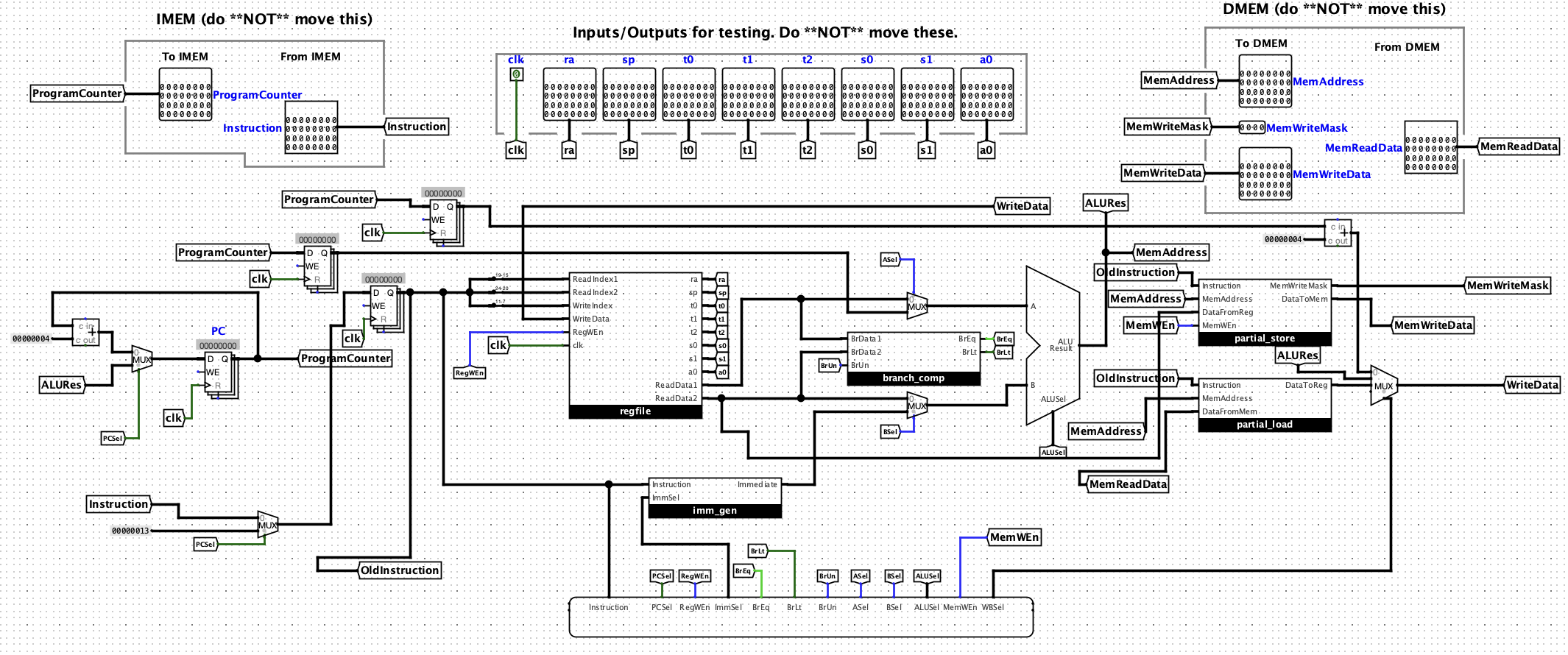
Designed and implemented a fully functional 32-bit two-cycle processor from scratch in Logisim-Evolution. Built every major subsystem: a custom ALU, Register File, Immediate Generator, Datapath, and Control Logic supporting R-type, I-type, and J-type instructions. Applied core computer architecture principles — parallelism, memory hierarchy, and pipeline optimization — directly relevant to modern GPU microarchitecture.
RISC-V · Logisim · Computer Architecture · HDL
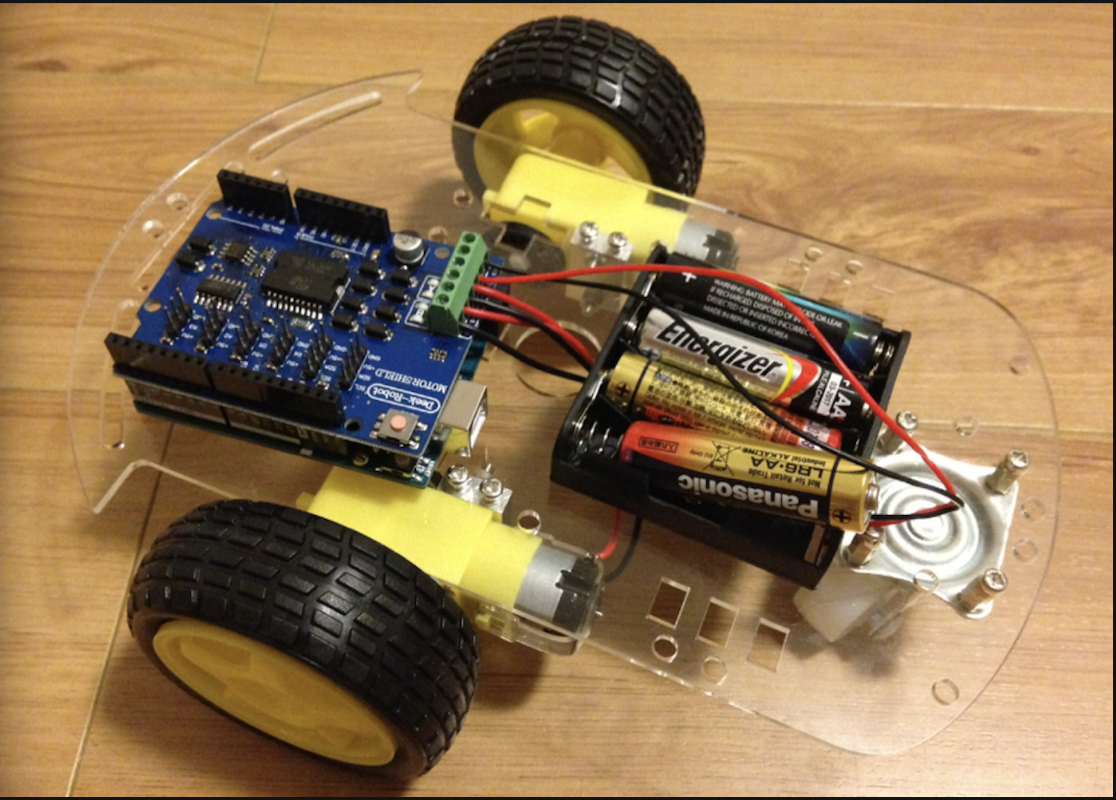
Built a fully autonomous robot car integrating embedded systems, analog/digital circuit design, and real-time control algorithms. Implemented sensor fusion and PCA-based voice classification on an Arduino platform, achieving sub-100ms motor control latency. Designed hardware-software interfaces bridging embedded C++ firmware with analog circuitry for closed-loop navigation and real-time obstacle response.
Embedded C++ · Circuit Design · Arduino · Sensor Fusion · Control Systems
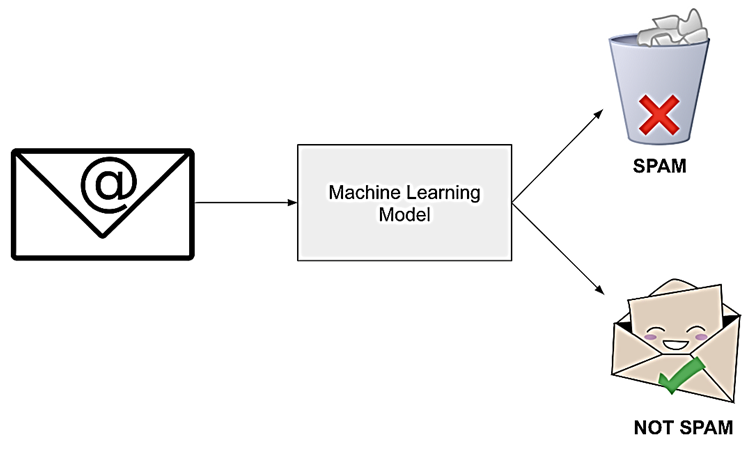
Built a production-quality email classifier on a large real-world dataset, achieving 91% test accuracy. Applied NLP feature engineering techniques to extract signal from raw text, constructed end-to-end Sklearn pipelines for preprocessing, model fitting, and cross-validation, and rigorously evaluated performance via precision-recall curves to minimize false positives in spam detection.
Python · NLP · scikit-learn · Feature Engineering
Conducted a rigorous data investigation of Cook County's property tax system using over 500,000 assessment records. Applied Pandas, one-hot encoding, and linear algebra techniques to uncover statistically significant disparities — demonstrating that low-income homeowners were systematically overtaxed relative to wealthier counterparts. Findings highlighted structural inequities in public valuation practices.
Python · Pandas · Linear Algebra · Policy Analysis
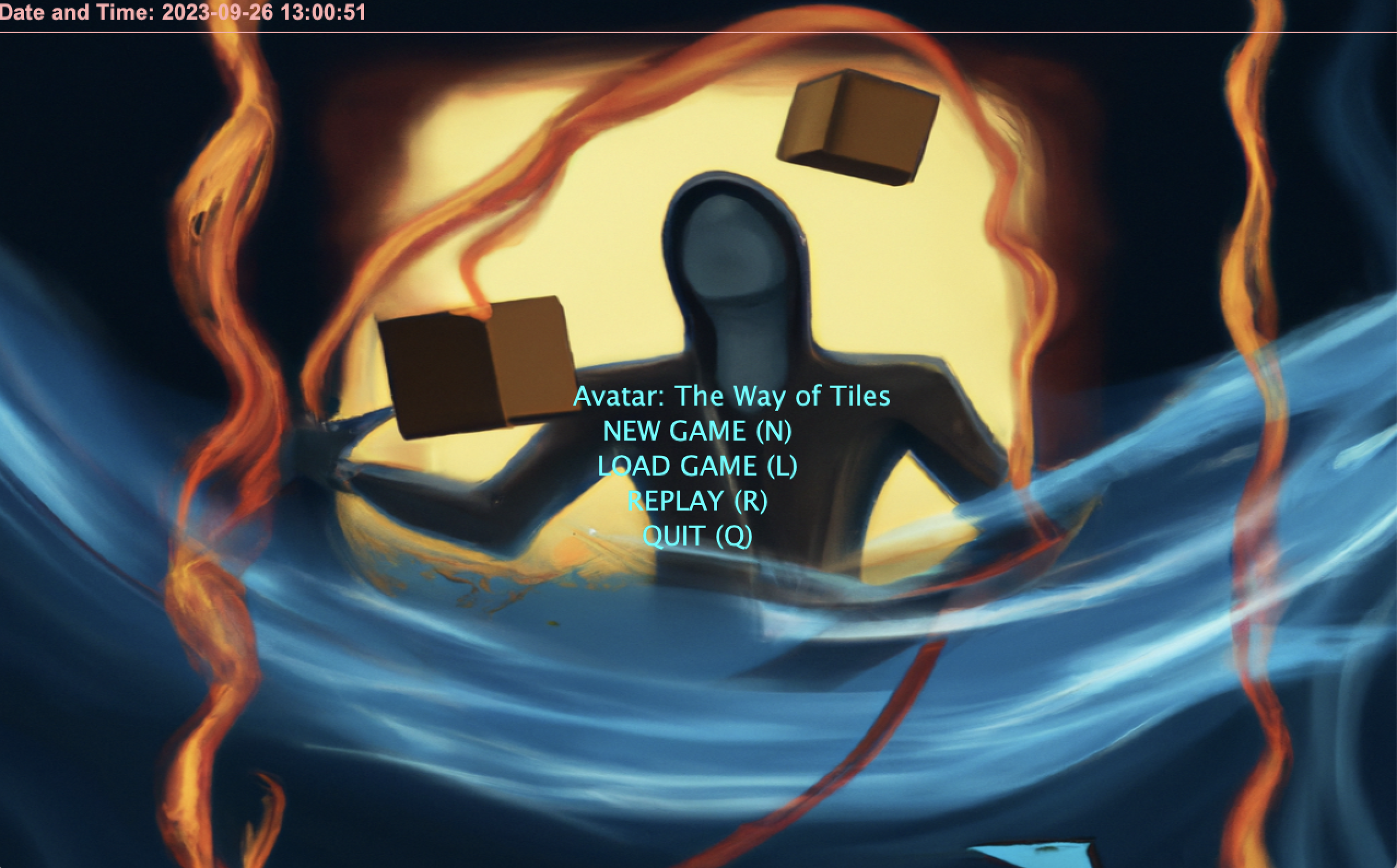
Led a team to design and build a complete 2D game engine from scratch in Java, featuring procedural world generation via a custom randomized algorithm, persistent save/load state, collision detection, dynamic event handling, and multiple avatar skins — each tied to a unique world seed. The project required architecting a real-time simulation loop with clean separation between the engine core and game logic layers.
Java · Game Engine · Procedural Generation · OOP